Follow us



- About Us
- The Lilliput World
- The Bridge Academy
- NIHC Academy
- The Caring Kitchen
- Community Services
- Get Involved

At The Lilliput World, our school rules are designed to create a safe, nurturing, and organized environment that supports every child’s growth and development. These guidelines help ensure smooth daily operations, fostering a positive experience for students, parents, and teachers alike. From arrival routines to dismissal protocols, every detail has been thoughtfully planned to promote independence, discipline, and mutual respect among all members of our community. By understanding and adhering to these rules, families contribute to a collaborative effort that enriches the learning journey.
Our approach to school rules goes beyond mere regulations; they serve as a framework to instill valuable life skills and responsibilities in children. The rules emphasize essential aspects such as punctuality, healthy habits, environmental consciousness, and respect for others. Additionally, parents play an active role in supporting their child’s transition and day-to-day routine, ensuring consistency between home and school. Together, we strive to cultivate an environment that reflects our core values of care, respect, and holistic development.
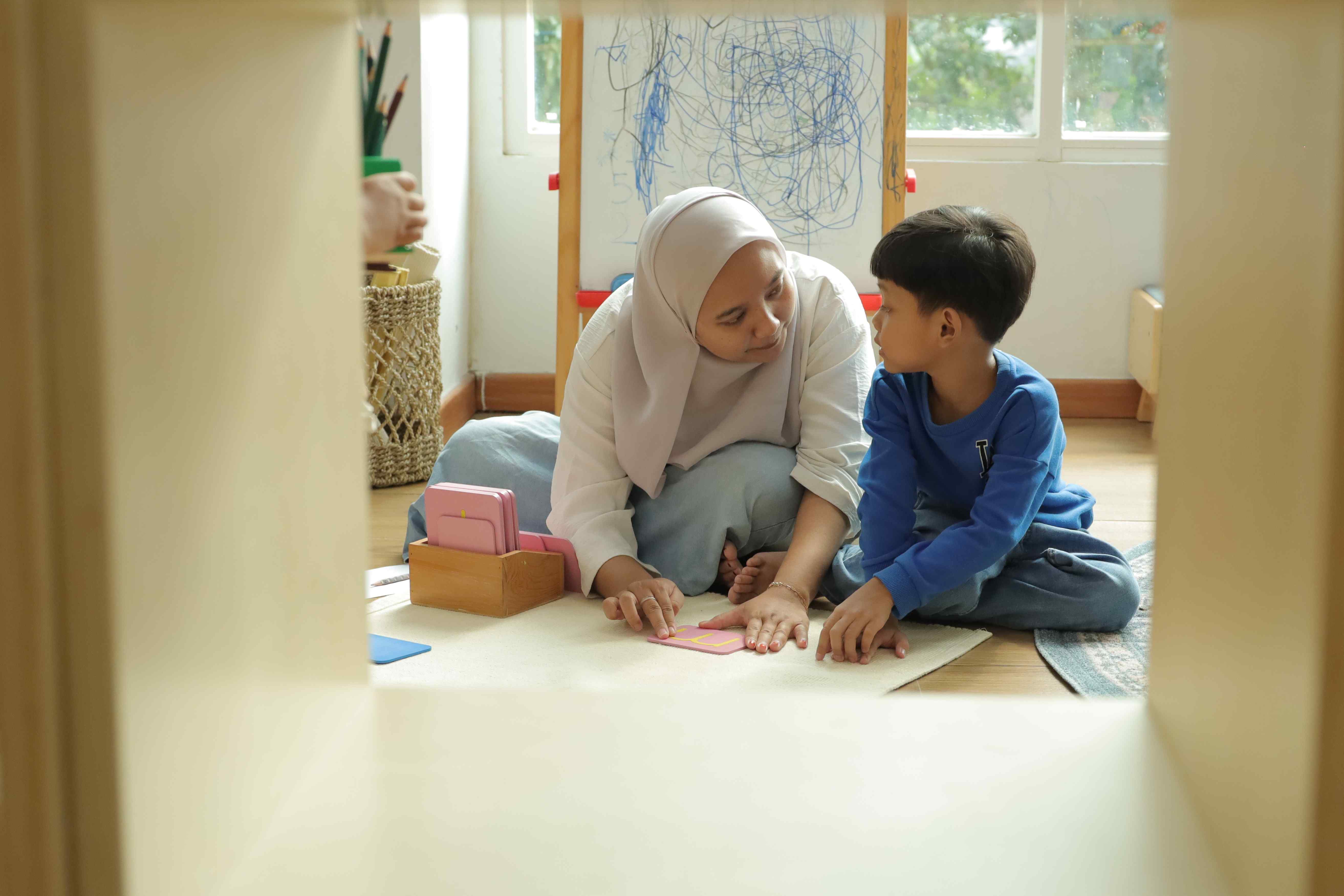
Mornings can be busy times and play a significant role in setting the tone for the day. The activities associated with arrival time should remain stable so that children feel comfortable and secure when starting their day. If changes are made during the year, be sure children are prepared for them. A smooth arrival helps children to settle easily into the rhythm of the day.
Arrival Procedure:
Settling-in after separation
Separation from a parent or caregiver in the toddler/preschool classroom is an important accomplishment for every child. Although parents may wish to remain with a child who is having difficulty separating, they should trust that their child is under the care of trained teachers who are familiar with and can manage such situations, that the child is learning important skills and that any tears are often solely for the parent's benefit. Parents can help their children most by demonstrating positivity and confidence in the teachers, stating their imminent departure and leaving promptly.
The teachers are prepared to handle an emotional child and provide one-on-one time before the transition in the classroom.
Settling in procedure during transition:
At The Lilliput World, we prioritize the safety and well-being of every child, ensuring that the dismissal and pick-up process is secure and efficient. To maintain a structured and safe environment, we have established clear guidelines that all parents and guardians must follow. These measures help prevent unauthorized pick-ups, ensure smooth transitions at the end of the school day, and promote punctuality for the benefit of both students and staff.
Pick-up procedure
Only parents, guardians, or nominated individuals listed on the child's emergency contact form are permitted to pick up the child. If someone else is picking up the child, parents must inform the school in advance. If an unauthorized person arrives, school staff will immediately contact the parent or guardian, and the child will not be released until proper authorization is received.
If an unauthorized person becomes confrontational or uncooperative, or if there is any suspicion of the person being under the influence of drugs or alcohol, the teacher has the right to deny the release and may contact an alternate emergency contact or notify the police if necessary.
Student pick-up card
To ensure the safety of every child during dismissal, The Lilliput World uses a Student Pick-Up Card system. Each student is assigned a personalized card that must be presented by the authorized adult when picking up the child. This helps our staff quickly and securely verify the person responsible for dismissal.
If the pick-up card is lost or damaged, parents are required to notify the school immediately to request a replacement. For security reasons, we reserve the right to withhold release if the authorized card is not presented or if the identity of the pick-up person cannot be verified.
Early or Late Pick-Up
To ensure a smooth daily routine and maintain the quality of our learning environment, we ask parents to follow the designated drop-off and pick-up times. Children should not be dropped off or picked up more than 15 minutes before or after class hours unless previously arranged with the school.
If you need to pick up your child early or anticipate being late, please inform the school in advance. Repeated late pick-ups without notice may disrupt classroom activities and will incur a late fee. The fee will be calculated based on the pro-rated hourly portion of the monthly school fee and will be added to your next month’s school bill.
At The Lilliput World, we believe that comfort and readiness play an important role in supporting your child’s daily learning journey. All children are expected to dress comfortably and appropriately, in line with their class’s scheduled activities. Each class has its own timetable for when children should wear outing clothes, sports uniforms, or batik. Wearing the correct attire helps children participate fully in each activity, whether it's physical movement, cultural celebrations, or outdoor exploration, while also fostering a sense of discipline and belonging.
In addition, we advise parents to provide their child with a backpack that suits their age and body size. The backpack should be spacious enough to hold key daily items such as a set of spare clothes, a snack box, and a water bottle. This not only helps children develop independence and responsibility but also ensures they are well-prepared for various routines throughout the day. Having the right attire and a properly packed backpack contributes to a smooth and confident school experience for every child.
To ensure a focused and engaging learning environment, The Lilliput World encourages students to refrain from bringing toys or unnecessary personal items to school. While we understand that certain belongings may offer comfort, toys can often become sources of distraction—not only for the child who brings them but also for their classmates. In a Montessori-based environment that values concentration, hands-on work, and purposeful activity, minimizing unnecessary items helps children stay present and fully involved in their classroom routines.
If children do need to bring certain personal items, we highly recommend that parents label everything clearly with their child’s name. This includes clothing, water bottles, lunch boxes, and any special belongings. This simple step can help prevent loss and confusion, especially in shared or mixed-age settings. Additionally, mobile phones and other electronic devices are not permitted during school hours or during school-organized programs. These devices can interrupt the natural flow of learning and reduce opportunities for meaningful social interaction and independent exploration. We appreciate your support in maintaining a learning space that is calm, respectful, and free of avoidable distractions.
Depending on the age of the child and the length of time at school, a child may have one or two snacks each day. For toddlers and preschoolers, snack preparation at school is included in cooking activities when the teacher or an assistant can supervise the children during snack preparation. By the time children are three years old, they are usually able to pour from a small jug or pitcher and clean up after themselves. This makes it possible to incorporate a snack centre into the activity time. The benefit of the snack centre is the independent behaviour and social interactions it fosters.
Snacks and drinks brought as children's packed snacks or meals should consist of healthy food and beverages and, sa far sa possible, avoid ultra-processed food (UPF).
Lunchtime is a regular activity for the full-day class. Lunchtime is at its best when children can eat together in small groups, serving themselves as they would in a family. The teacher shows them the way to serve from a large dish to their own smaller ones, how to use their utensils and simple first steps in good manners. Lunchtime is a warm and relaxed period. Discipline is maintained while permitting small talk and serving actions which build bonding amongst the class. Lunchtime in school is a pleasant time when everyone enjoys the meal, togetherness and happiness.
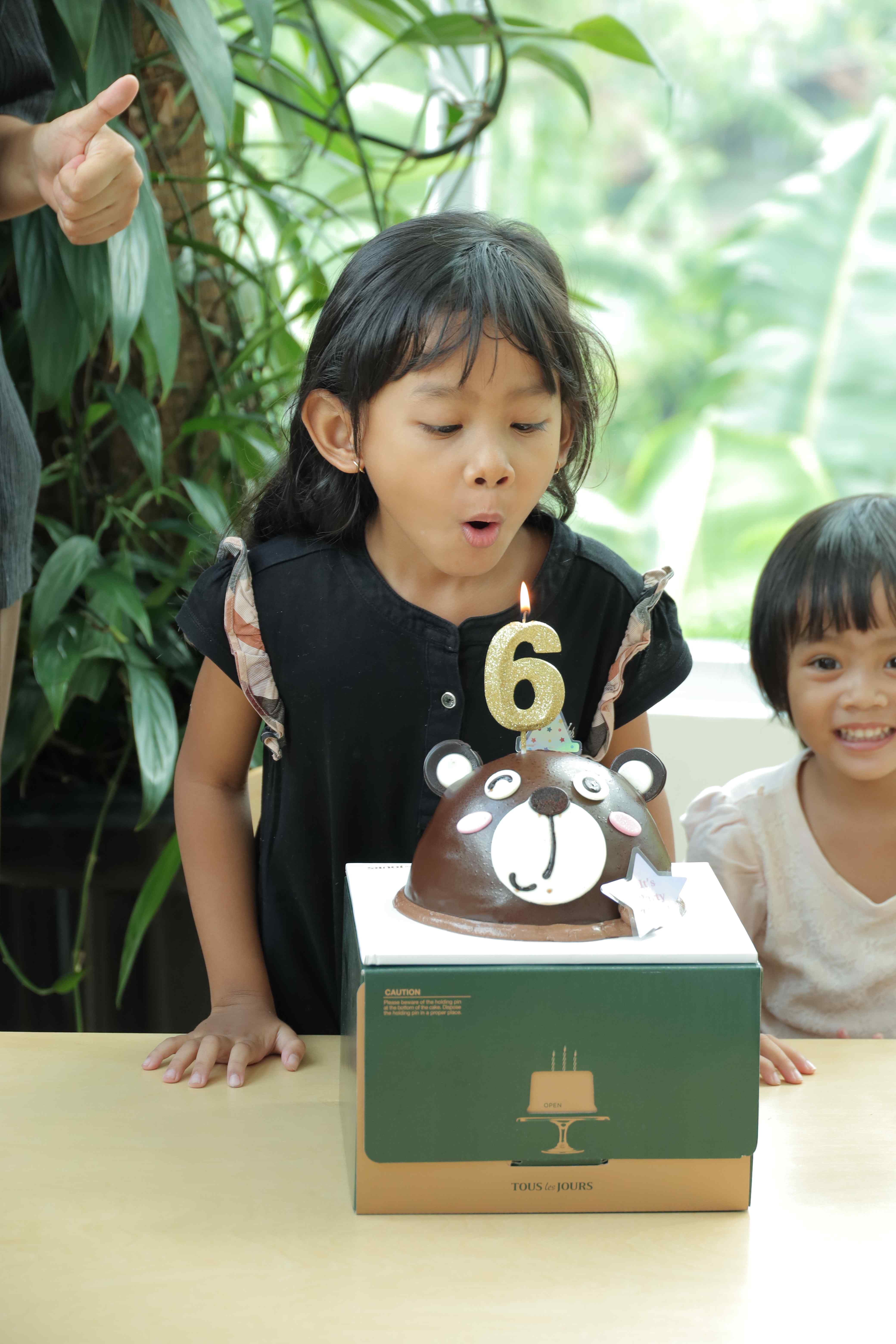
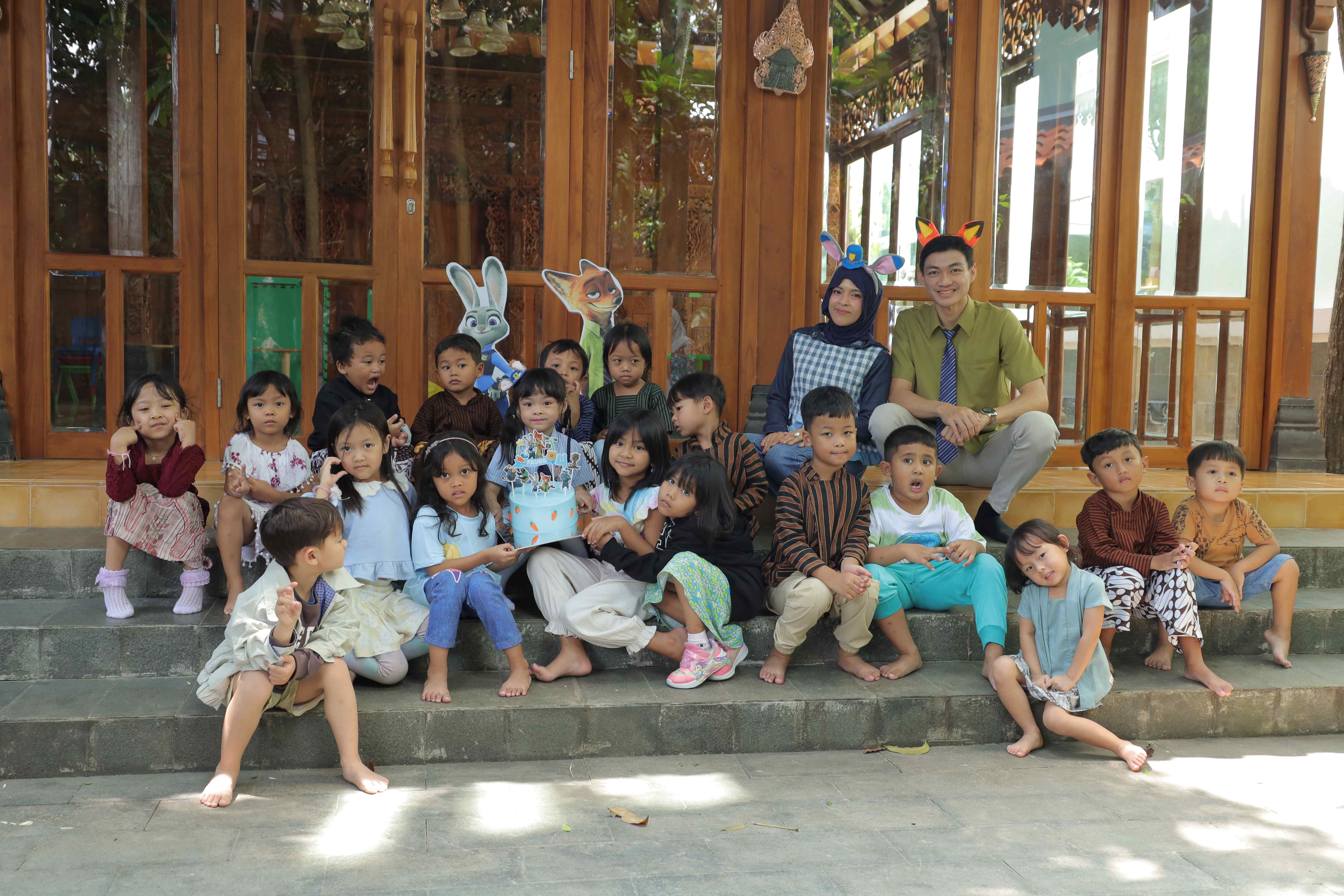
At The Lilliput World, we understand that birthday celebrations are meaningful milestones in every child’s life and bring joy not only to the child but also to their classmates, parents, and teachers. These special days are moments to celebrate growth, friendship, and belonging within our school community. While we warmly welcome birthday celebrations at school, we also strive to ensure that they reflect our core values—especially environmental responsibility and healthy living.
To support this, we encourage parents to plan birthday celebrations in consultation with the class teacher. This helps ensure the celebration runs smoothly, aligns with the class schedule, and remains inclusive and mindful of the school environment. When preparing goody bags, we kindly ask parents to follow our eco-friendly guidelines: use biodegradable or reusable packaging such as paper bags, banana leaves, or bamboo containers instead of plastic; avoid plastic utensils and individually packaged snacks; and prioritize healthy food options like homemade cakes, fruits, or cooked snacks that are low in sugar and free from artificial additives. These practices not only help reduce waste but also model conscious choices for the children, nurturing a culture of care and respect for both people and the planet.
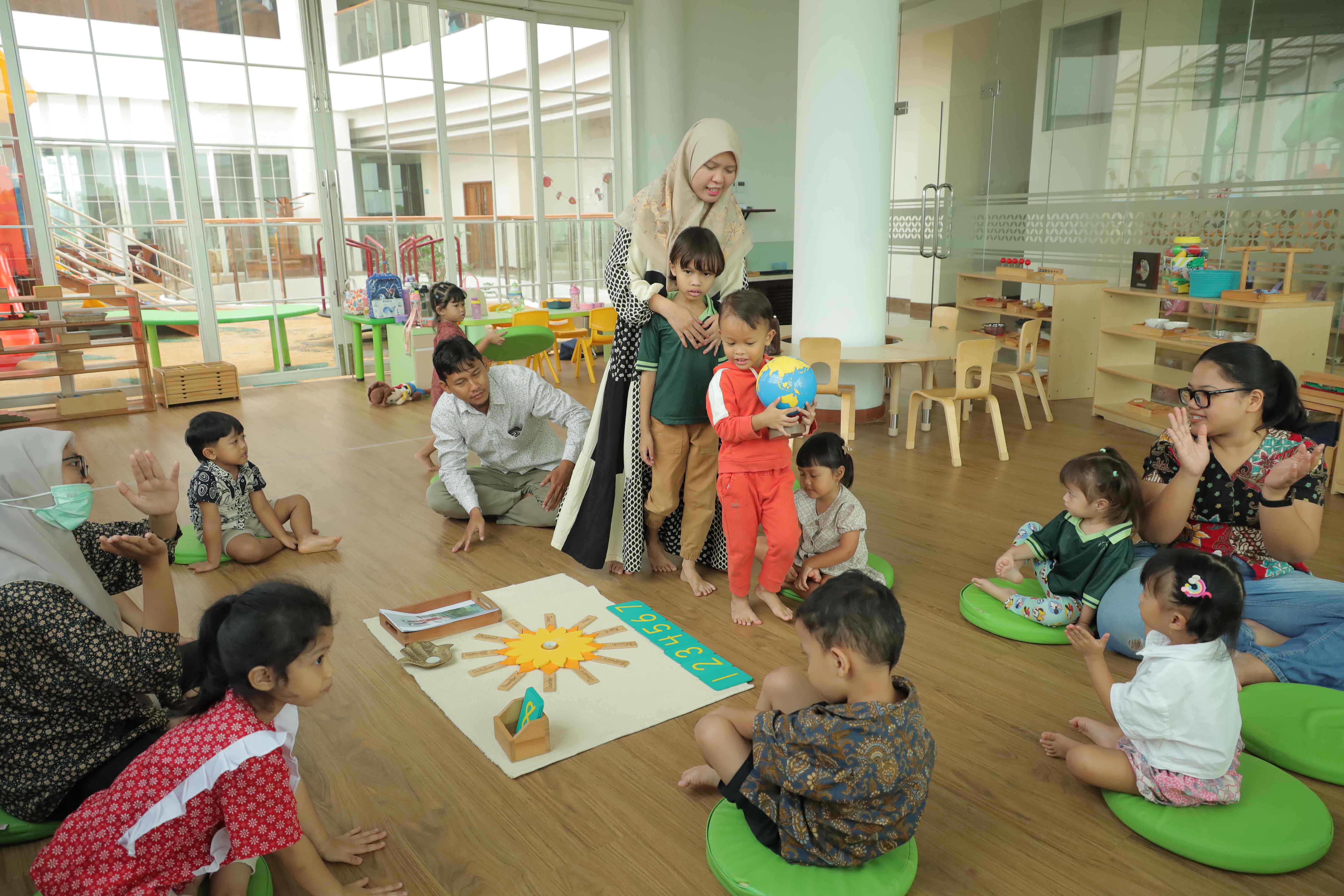
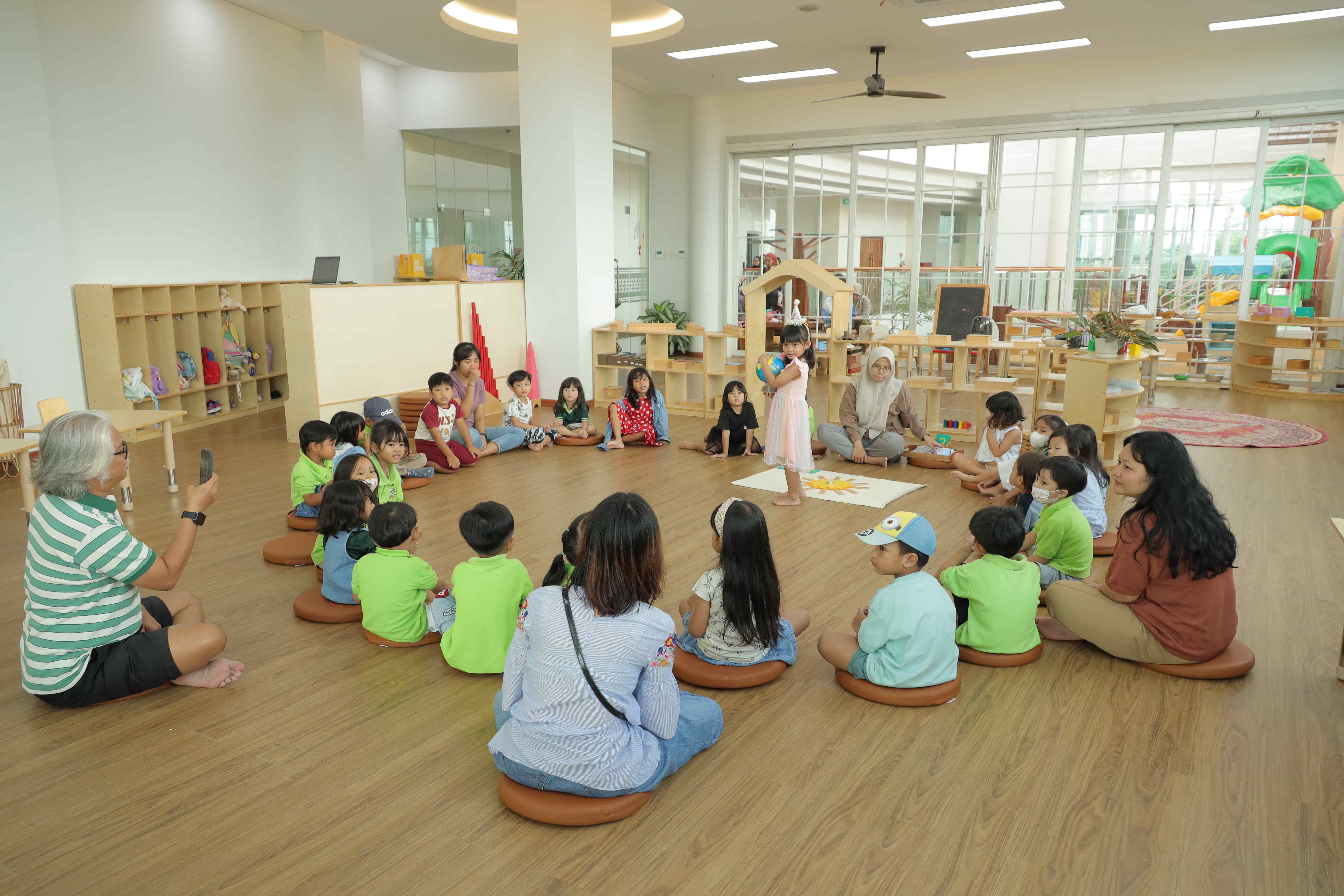
According to the developmental stages, which include the unconscious absorbent mind (0-3 years) and the conscious absorbent mind (3-6 years), this guidance is conducted gradually, clearly, consistently, and with discipline. Children and the community contribute by sorting waste correctly, channeling, and utilizing it on a small scale. Children also garden in the school garden.
Hence, we implement these rules in our school regarding waste management:
Our admissions process is simple, personal, and convenient. You can spend less time worrying about requirements and more time discovering how learning happens at The Lilliput World.
Please prepare the required documents to ease the application proces.
Scheduling a time to meet with one of our admission specialists is an exciting part of the application process to let us know what is important to you and to get all of your questions about The Lilliput World, TCKN Foundation, and our community answered.
 Youtube