Follow us



- About Us
- The Lilliput World
- The Bridge Academy
- NIHC Academy
- The Caring Kitchen
- Community Services
- Get Involved

The Lilliput World (LW) is an early childhood education school for children aged 1-6 years. The school is one of the Educational and Social activities of the Taman Cipta Karya Nusantara Foundation (TCKN), serving as a learning platform for children and parents within an environment that combines the Montessori Method, Living Values Education, and Taman Siswa (Ki Hajar Dewantara).
At The Lilliput World, the school's community values are built on equality and togetherness among children, caregivers, and parents. Children are given the opportunity to experience the beauty of diversity in their daily interactions.
The learning system aims to optimize the potential of each child according to their nature and development; it is culture-based, ingrained from an early age, and uses English as the international communication language in daily school activities. This system is implemented progressively according to the achievements and needs of each child as an individual.
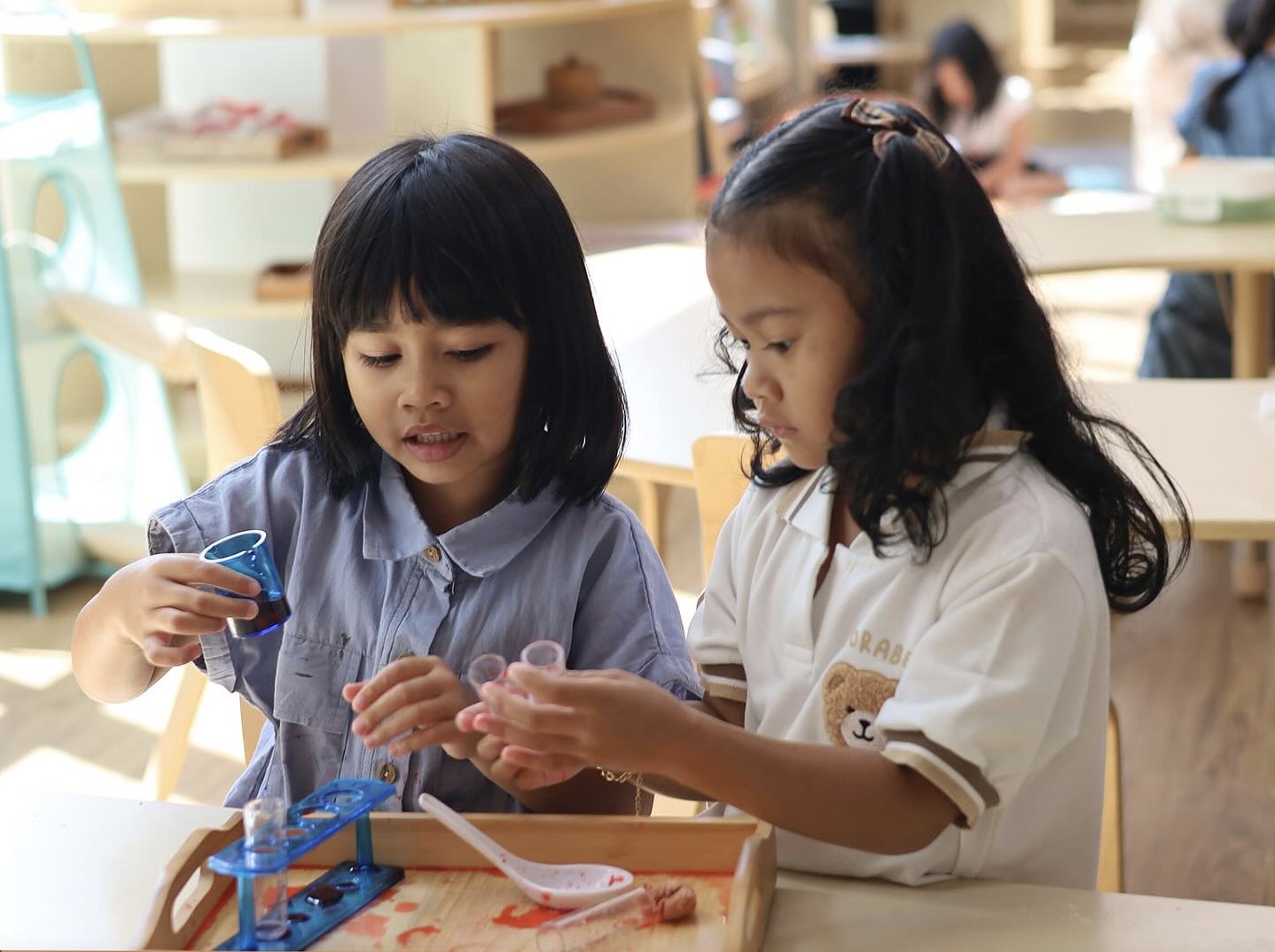
In brief, The Lilliput World is:

The Lilliput World is a place where children and adults around them learn together as part of an educational community. Children learn to discover themselves and others, as well as how to interact with people and the world around them. Adults learn how best to support and mentor their children, helping them grow and develop according to their unique abilities and interests. Learning is a lifelong journey that should begin early.

Learning is the foundation of understanding and we need to understand ourselves and the world around us as well as the usual school subjects. Curiosity and the wish to know and understand can be applied in solving problems and completing tasks and goals. Our approach to life becomes more confident, empathetic and compassionate when there is understanding. This creates a strong foundation for personal values, reinforces the joy of learning and prepares children for later life in a world that is increasingly challenging but also full of opportunities.

We can all continue to improve ourselves, grow and develop as individuals and members of the global family, starting with the small circle of The Lilliput World and reaching out to the wider world. As we grow, so does our sense of community and connection with others and the natural world, built on our understanding of who we are, the kind of world and life we want and the values that we can put into action to help make that possible.
The name Lilliput is inspired by Dr. Maria Montessori's book, 'Her Life and Work' (E.M. Standing, 1998). In this book, young children are likened to working Lilliputians. They are little humans in their golden years of development with the natural ability to grow and process, forming themselves, their character, and their skills. The foundation of societal living is built as they learn basic values that every human has the right to be treated equally, humanely, and with respect. These basic values shape their personality, family, and nation. These values are instilled during the golden age of early childhood.
The Lilliput World school environment will show parents and visitors a community of children with their own busy activities and purposes. The atmosphere resembles a miniature adult social environment when children are busy working, talking, enjoying and sharing snacks at the table with each other. In another area, there might be routines of cleaning up spilled water or food on the floor or table, washing dishes and glasses independently, taking turns as teacher assistants, and more.

The learning approach in The Lilliput World environment suggests that the child is the father of man (the child is the father of man; adapted from the book Creative Development in the Child: The Montessori Approach). In this analogy, the child is the subject (the driver) with the ability to build, reconstruct, and create based on their experiences.
Work is the term used in the learning process within the Montessori classroom. Work can be done both indoors and outdoors. Work and learning become a unified part of early childhood life. When they work, they learn. Their best learning process is through direct hands-on experience. Every experience they gain is consistently reflected upon with or without adult assistance. Thus, experiences become valuable knowledge absorbed naturally into the child's mindset and personality.
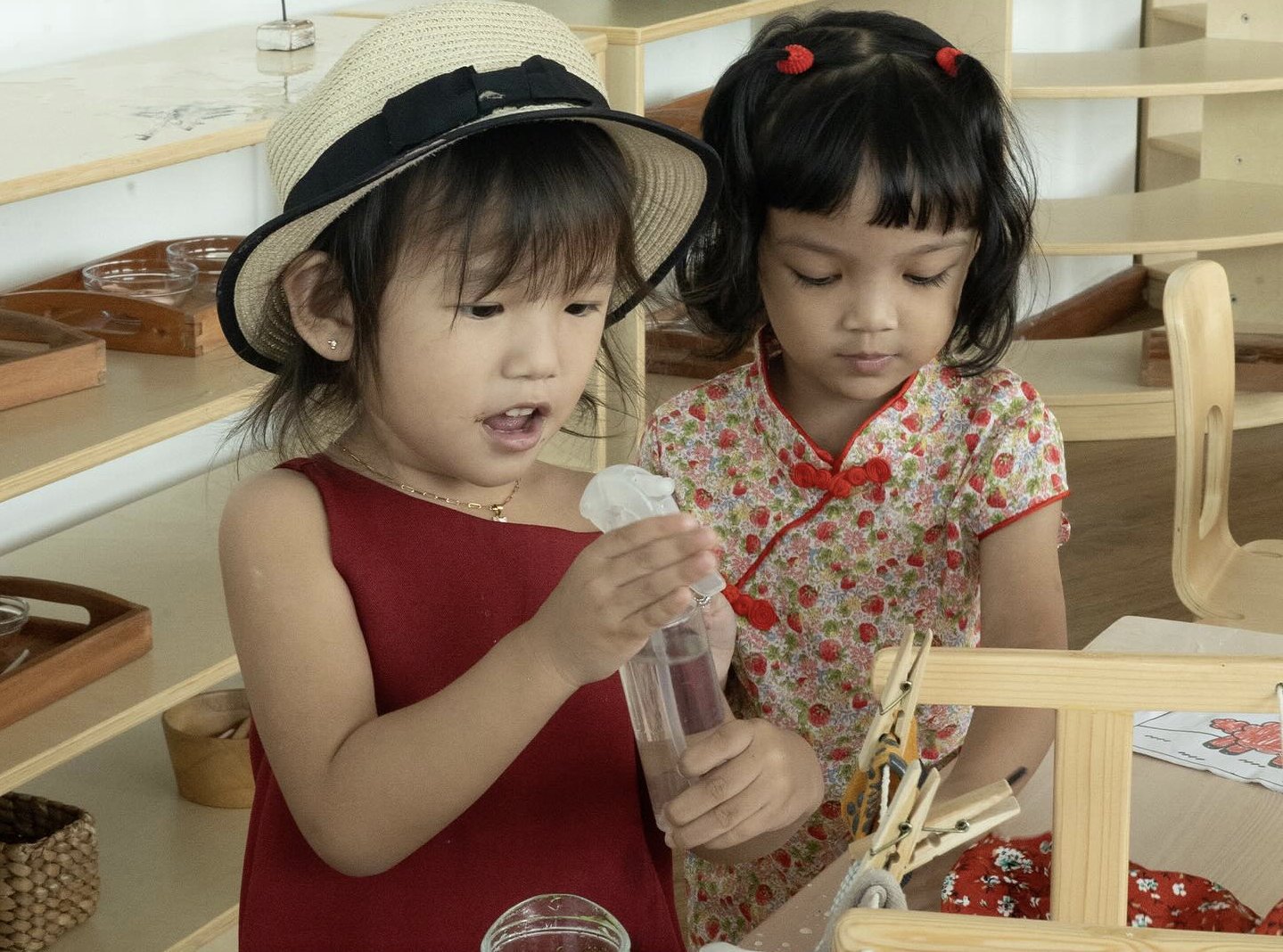
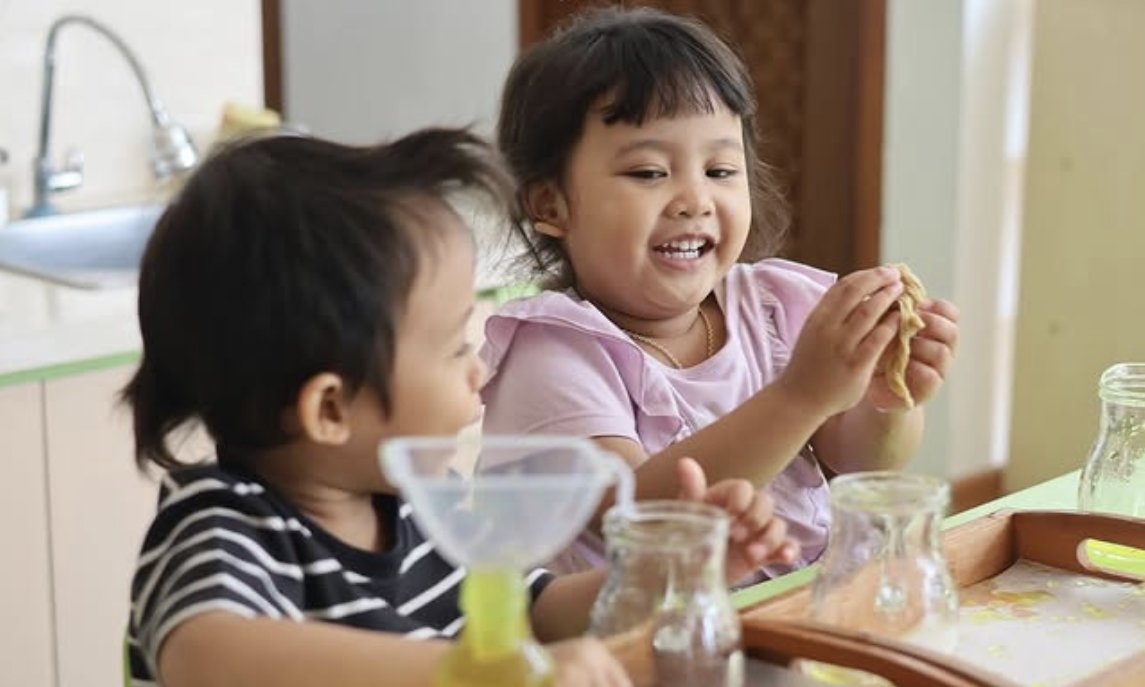
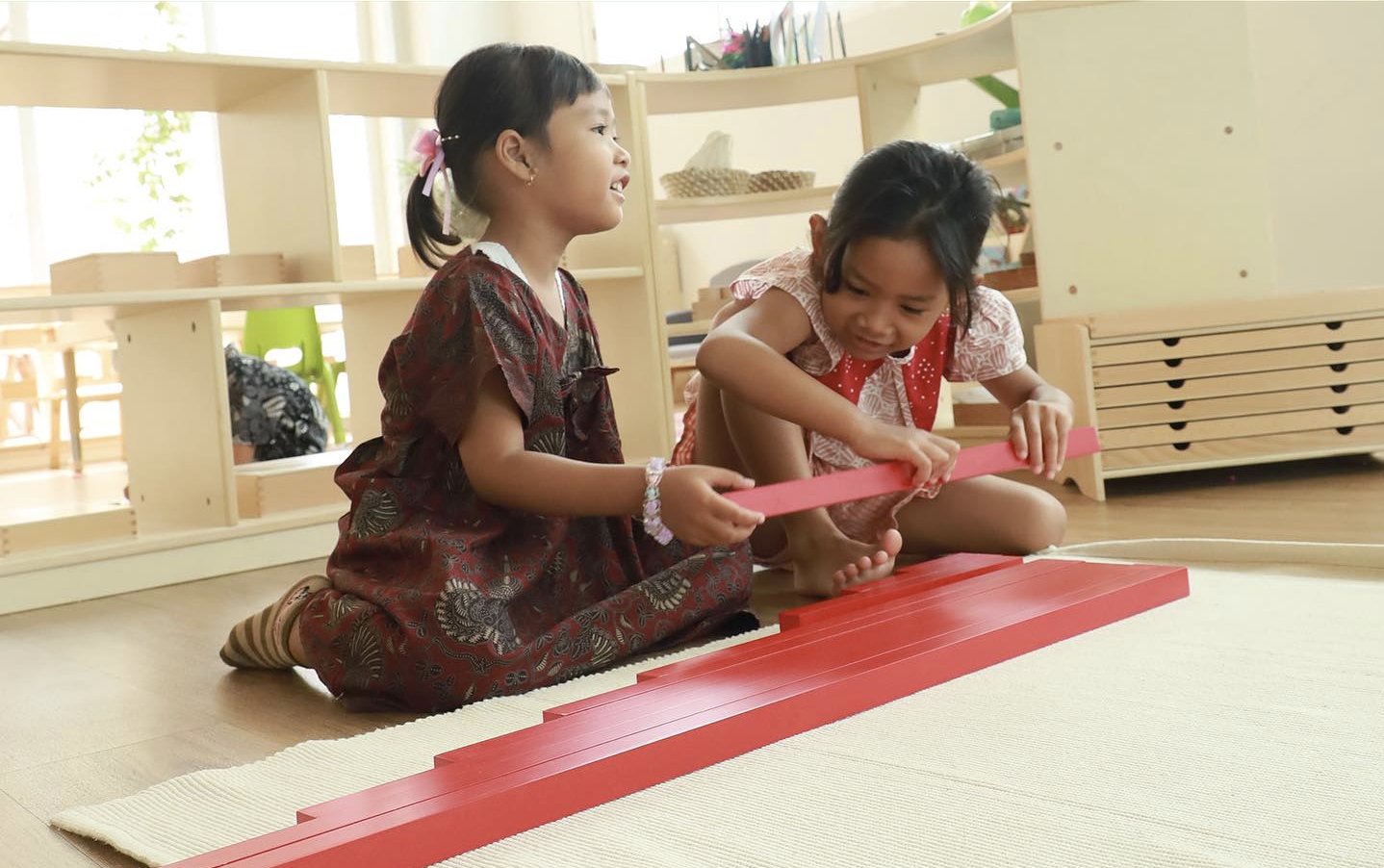
Meanwhile, the role of the environment is to provide space for self-stimulation so that children can develop and process to achieve their future goals. Stimulation is prioritized during sensitive periods that arise. In these sensitive periods, the child's focus, attention, and mind will absorb all experiences and learning naturally with their best effort, speed, and ability through consistent repetition of work.
The Lilliput World also cares about the goal of building and creating a learning community for children, parents, and educators. This community will grow together in interactions that involve mutual learning, love, and care; for the benefit of the child's future. Thus, the goal of nurturing during the school years is achieved with the child becoming a person of character, independence, resilience, responsibility, adaptability, and creativity in developing their potential according to the achievements of their era.
 Youtube