Follow us



- About Us
- The Lilliput World
- The Bridge Academy
- NIHC Academy
- The Caring Kitchen
- Community Services
- Get Involved

The curriculum of The Lilliput World is an integration of the Montessori curriculum and child development achievements based on the Child Assessment Portfolio by Teaching Gold Strategies. The curriculum implementation also develops character in accordance with Living Values Education, values of mutual learning, love, and care (Taman Siswa), as well as local culture and wisdom. The school clearly, routinely, and consistently supports the implementation of local and global life values in classroom routines throughout the learning hours.
The Lilliput World positions itself as an educational institution that provides every child with the opportunity to learn to become a global citizen. Children are guided to understand the interconnection between their real actions, their roles, and their parts in life within the context of themselves, the school community, the broader community, the nation, and the global community.
According to the developmental stages, which include the unconscious absorbent mind (0-3 years) and the conscious absorbent mind (3-6 years), this guidance is conducted gradually, clearly, consistently, and with discipline. There are three frameworks to achieve the above goals:
Maria Montessori described the Montessori Method as an "aid to life". In the early 1900s, she developed this philosophy of education based on her scientific observations of children from diverse cultures. She saw universal principles of human behaviour, common to all peoples in all places.
Through this method, the classroom si built around sets of objects that 'materialise' educational knowledge in a concrete form and which children can manipulate with their hands. The objects aim to: capture interest; invite interaction and manipulation; encourage precise use; extend concentration; and challenge the intellect act as an indirect preparation for future experiences. With the guidance of adults, children are shown how to use the objects around them and given very exact language to talk about the concepts that the objects materialise. After the lesson, children can work with the objects whenever they choose. Because the objects 'remember' the concepts in a form children can, literally, 'grasp', when children choose to work with the objects, they can do so independently and for extended periods. As children grasp and manipulate the objects with their hands, they are learning how to grasp and manipulate the corresponding concepts in their minds (Montessori National Curriculum, Australia, 2021).
The majority of Montessori educational materials are commonly displayed in the indoor environment, but their use is not restricted to the indoor environment. Practical life activities are part of both the indoor and outdoor environments. Children may also choose to work with materials in the sensorial, mathematics or language areas in the outside environment as long as they are using the materials for the educational purpose for which they have been designed. In addition, the outdoor environment includes gardens (both wild and planted), which children care for and in which they develop a growing awareness of the importance of the natural environment to the well-being of al living things.
Montessori-prepared environments have two key features. First, the classrooms are beautiful and ordered and they are designed for multi-age groupings. Second, Montessori educational materials relate to practical life activities, sensorial development, literacy, numeracy, and cultural studies (Botany, Zoology, Geography, and History).
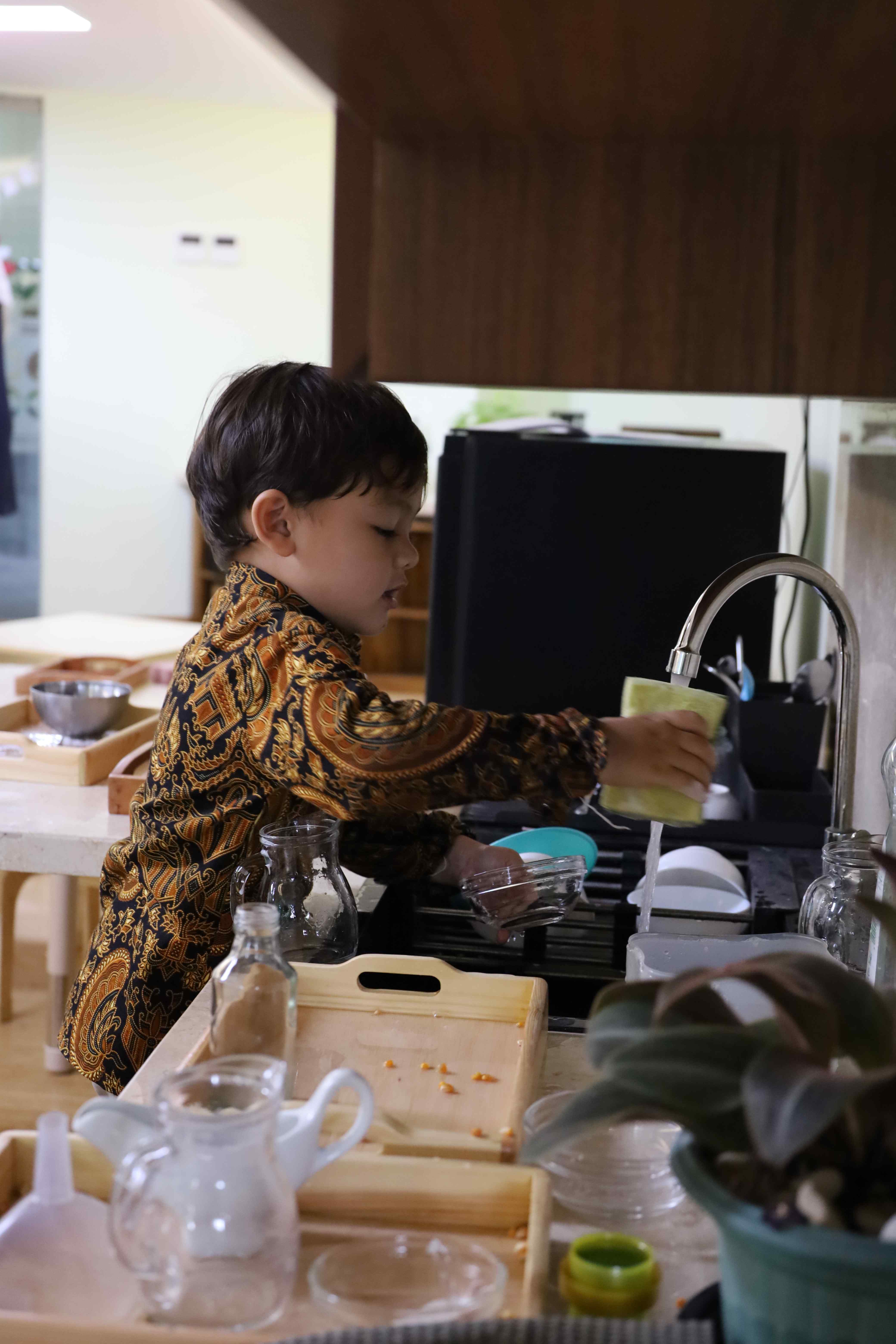
Practical Life
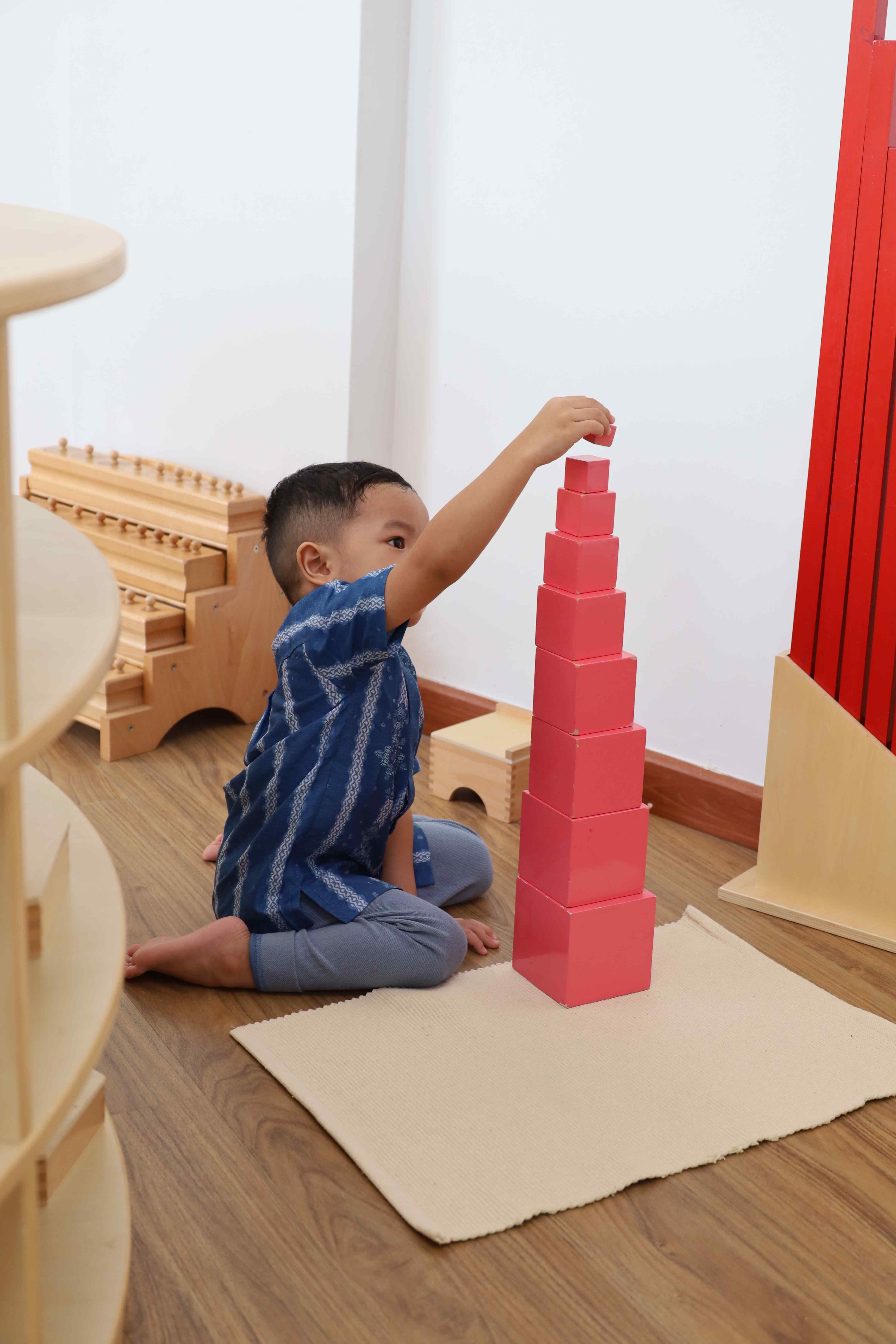
Sensorial Development
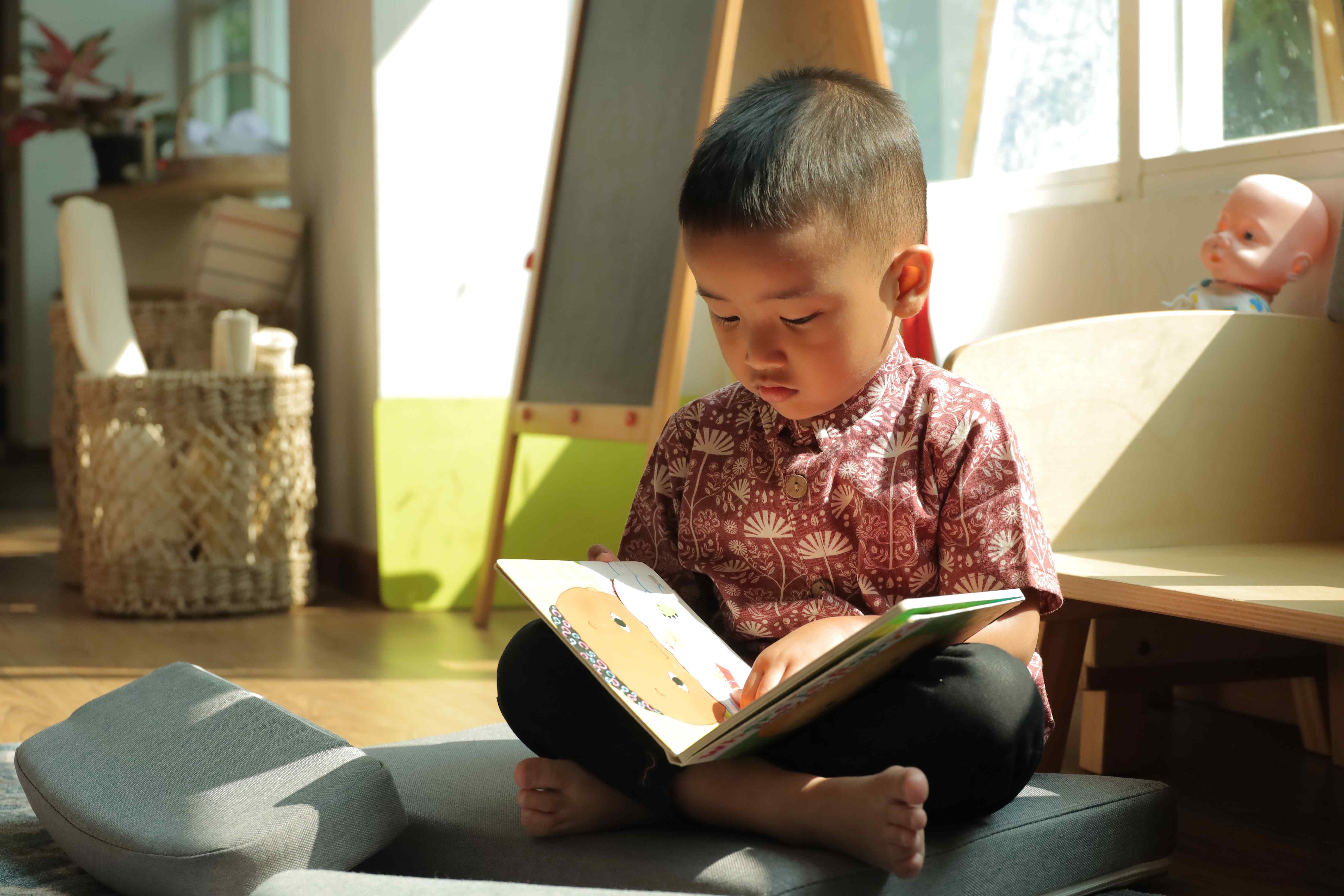
Literacy
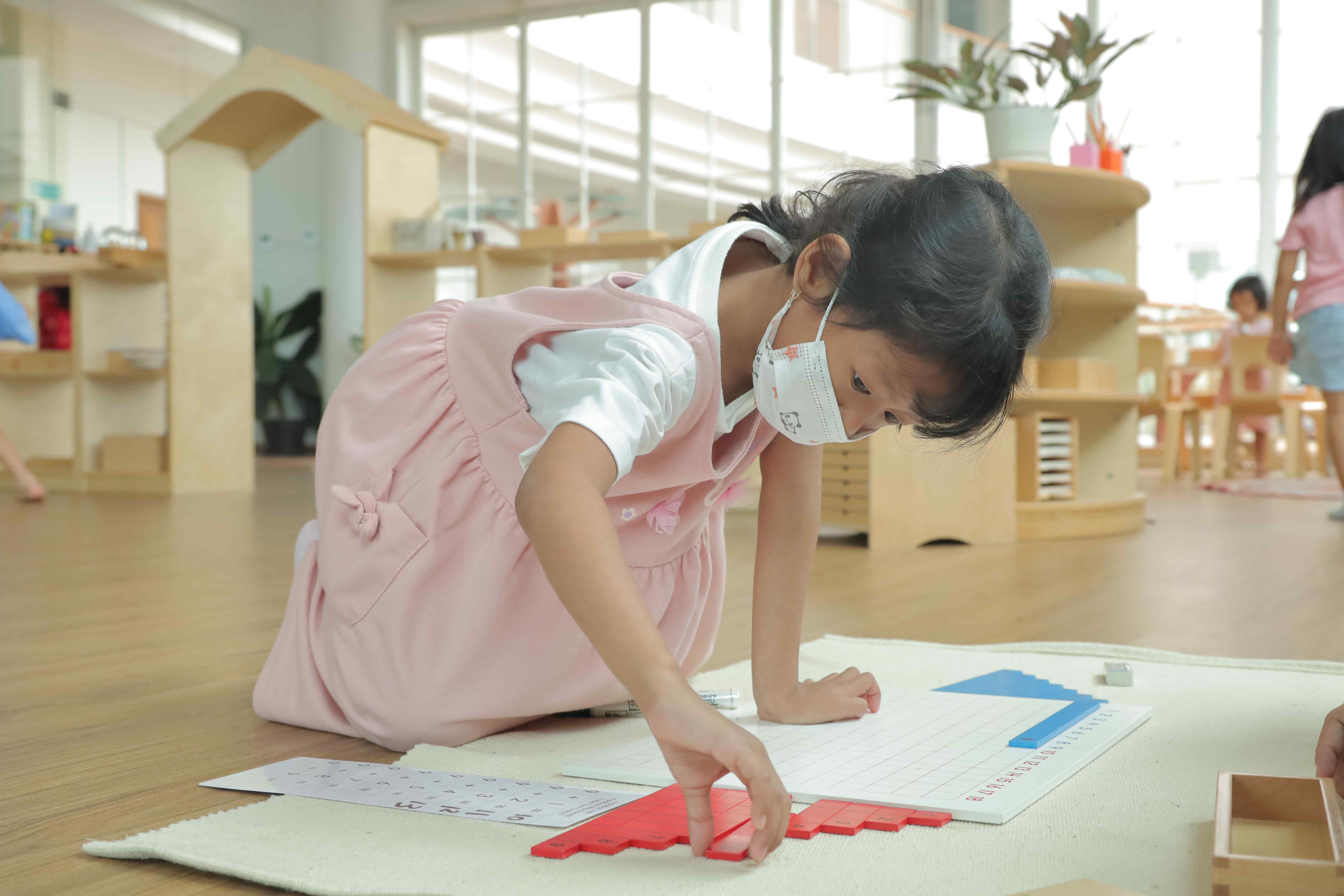
Numeracy
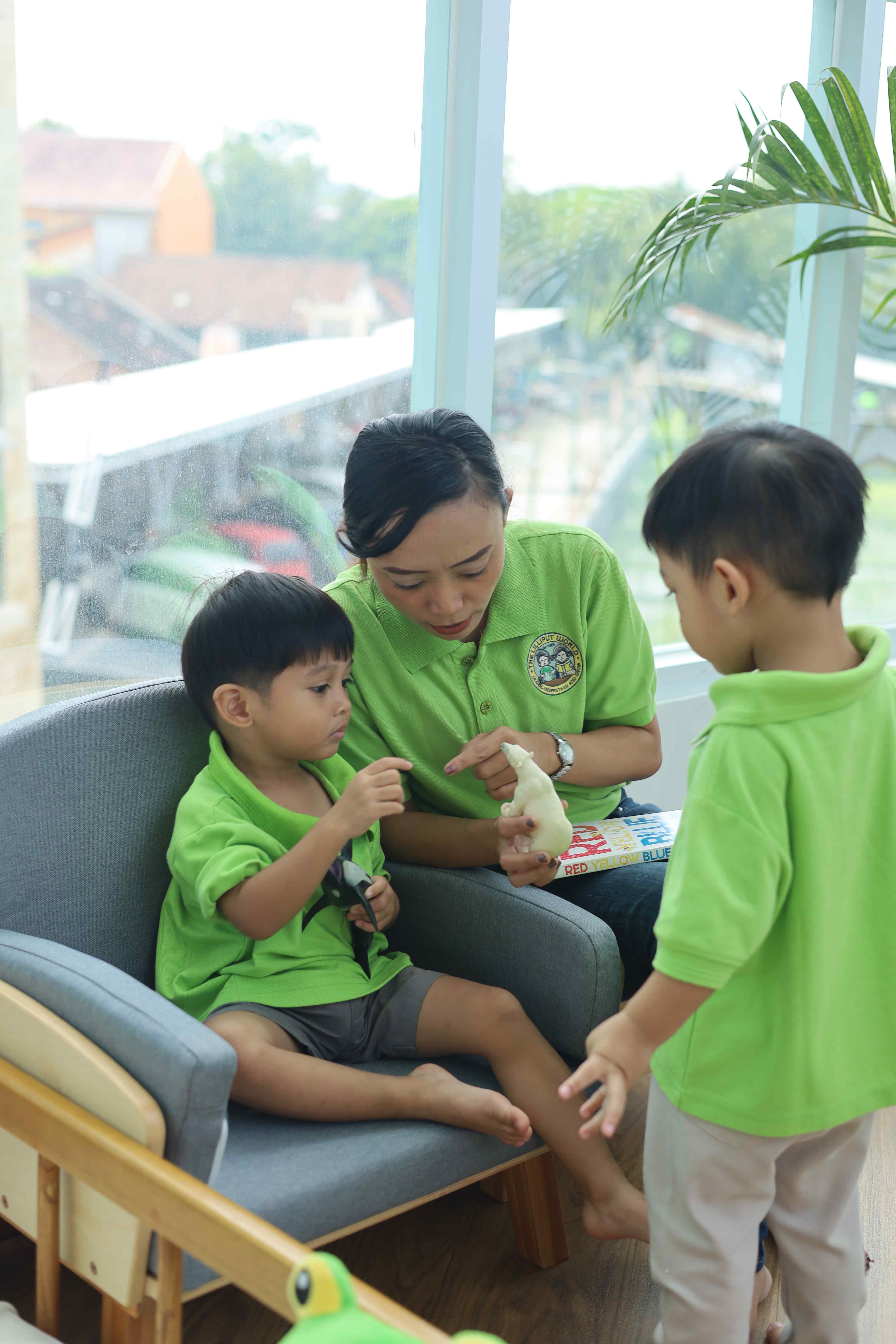
Cultural Studies
Education is carried out by and for people and we all bring to school our personality and values which we express inour relationships with each other. Children's development is greatly affected by the environment and atmosphere around them. Inspired and guided by The Living Values Education Approach, The Lilliput World is committed to ensuring that values are the foundation and ethos of all that it does and that its teachers bring a values-based approach to their work, modelling values so that they teach by the example of their actions and what they do just as much as by what they say. Values education is then first and foremost a way of being and the culture of the school may be seen as a culture of values.
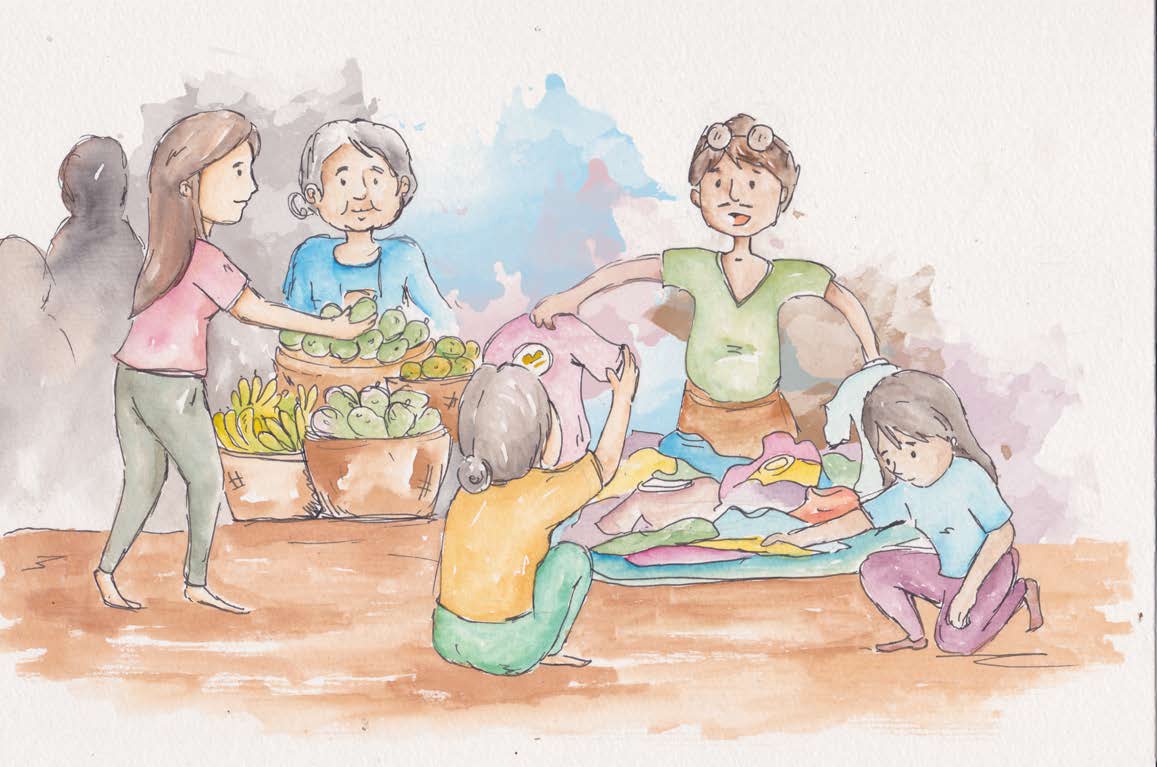
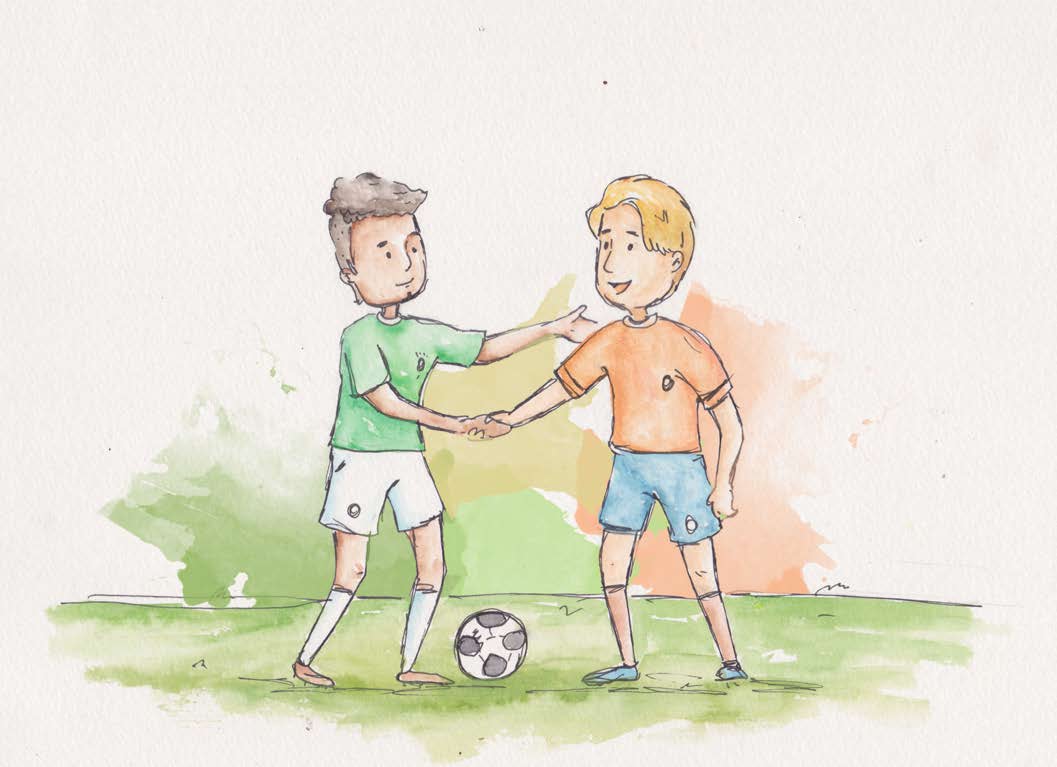
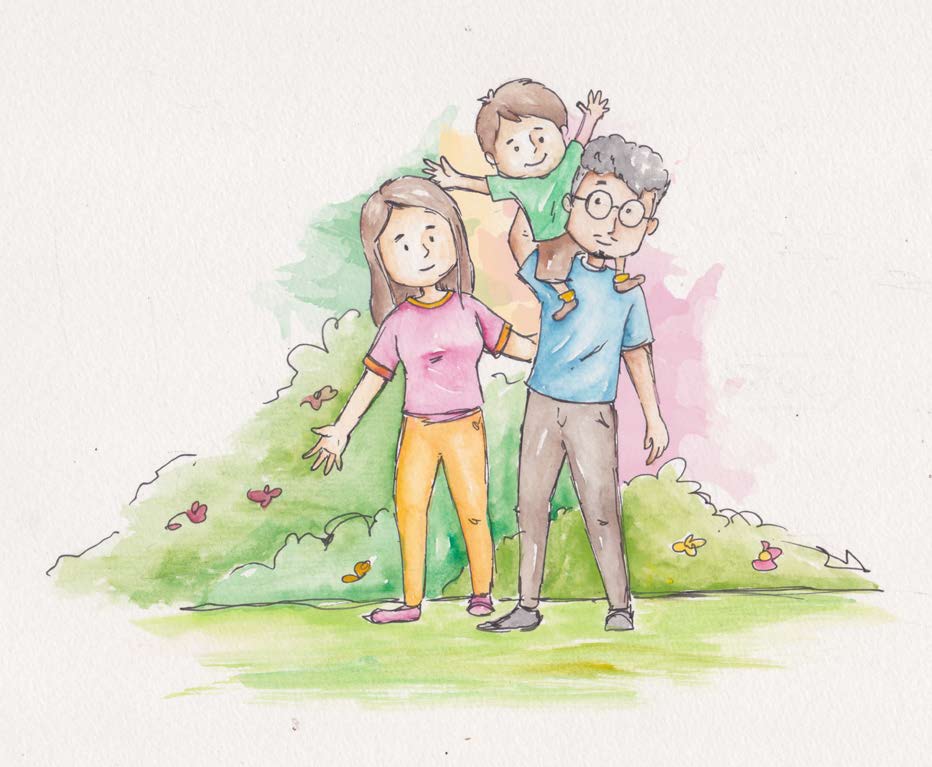
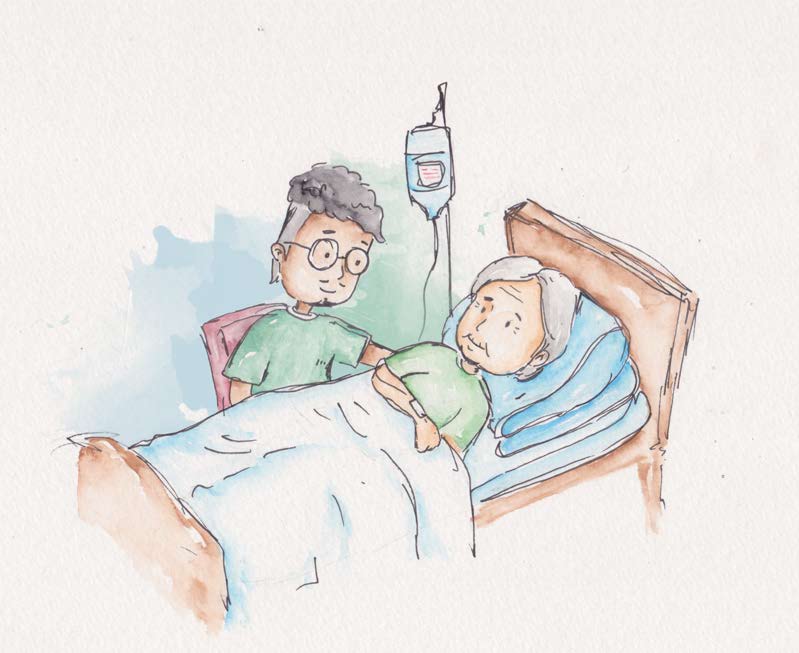
Living Values Education emphasizes the worth and integrity of each person involved in the provision of education, in the home, school and community. In quality education, Living Values Education supports the overall development of the individual and a culture of positive values in each society and throughout the world, believing that education is a purposeful activity designed to help humanity flourish. There are eight values units in Living Values Education for Children Ages 3-7, which are Peace, Respect, Love and Caring, Tolerance, Honesty, Happiness, Responsibility, and Simplicity.
*artwork drawn by Aristana from Karuna Bali Media Production department, Ubud, Indonesia.
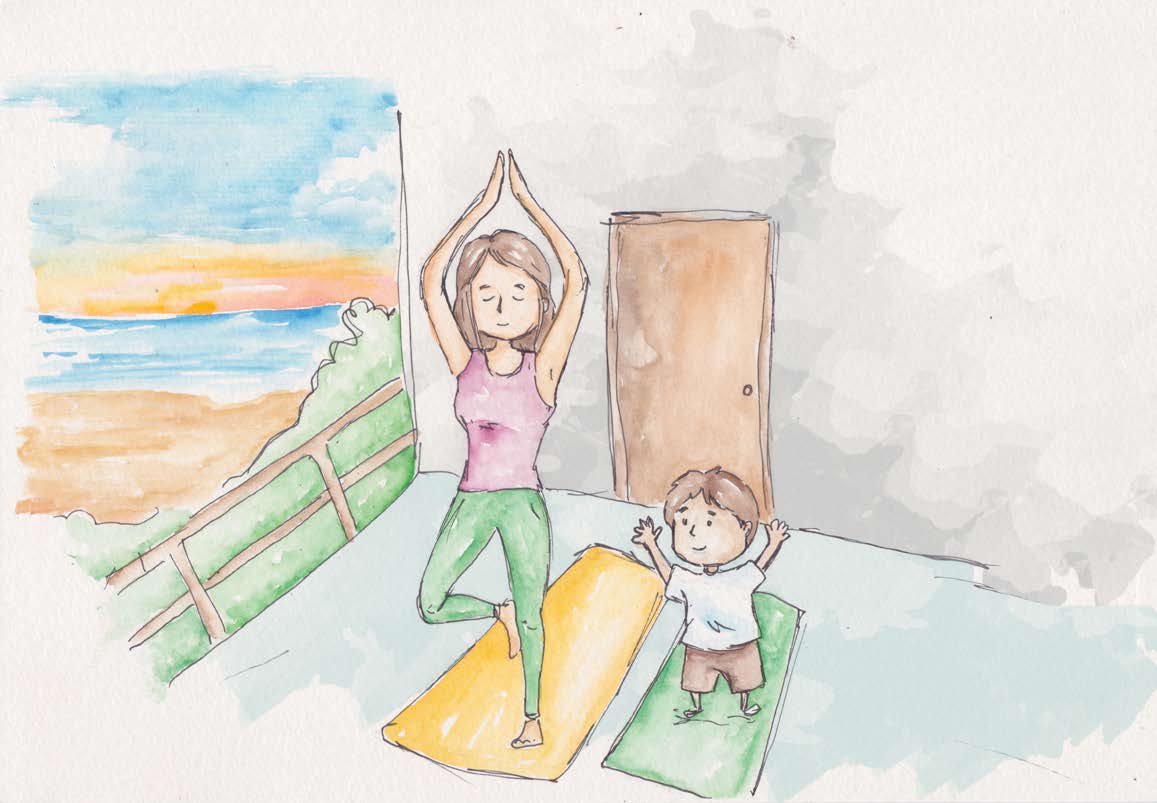
Peace
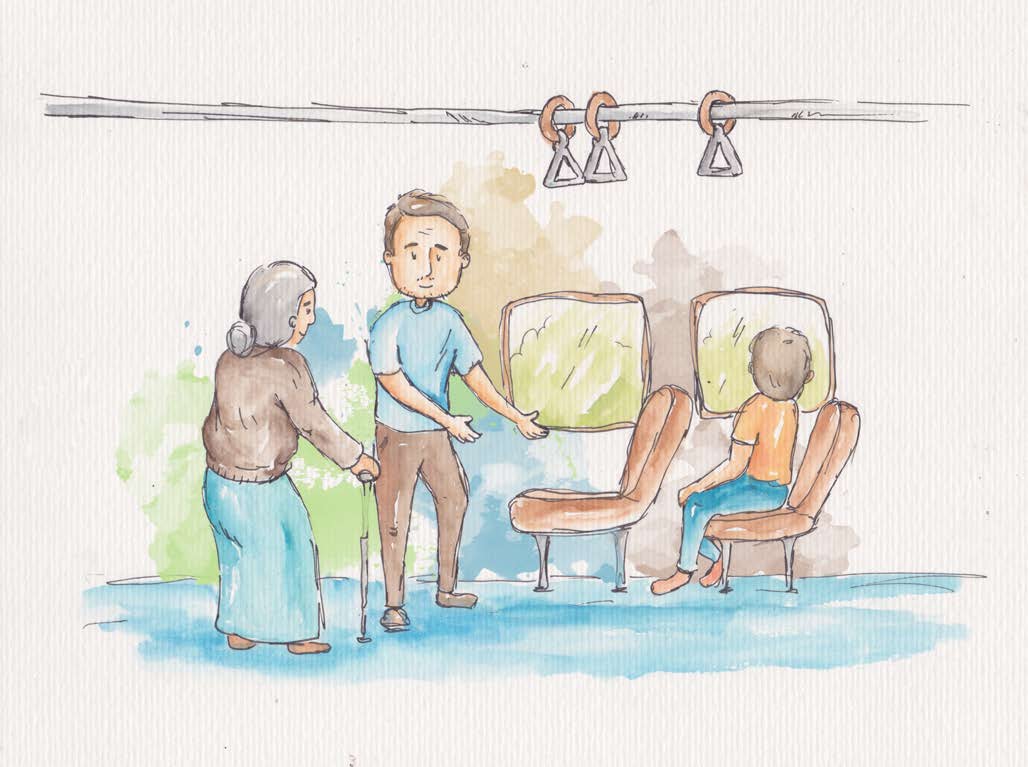
Respect
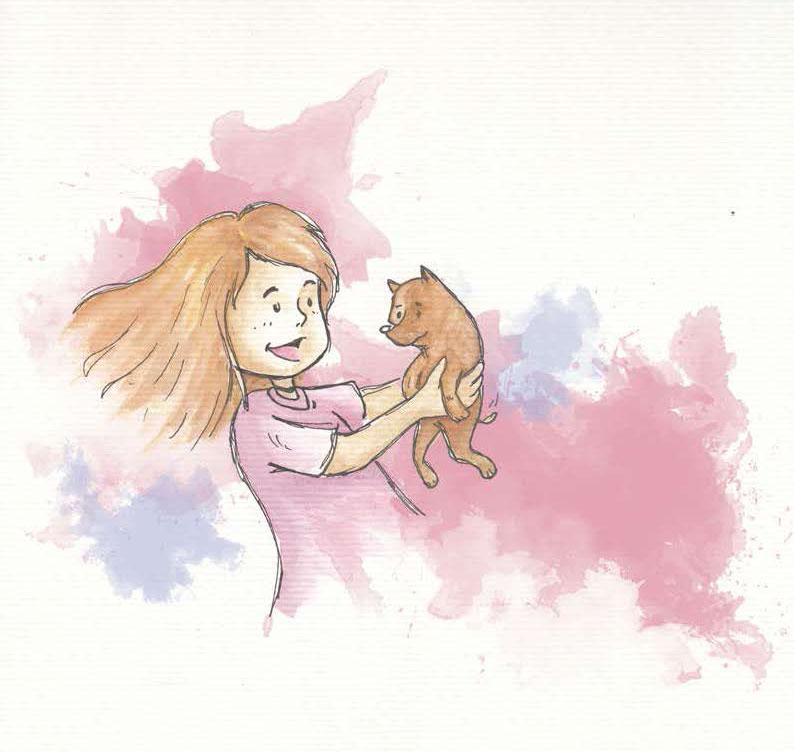
Love & Caring
Tolerance
Honesty
Happiness
Responsibility
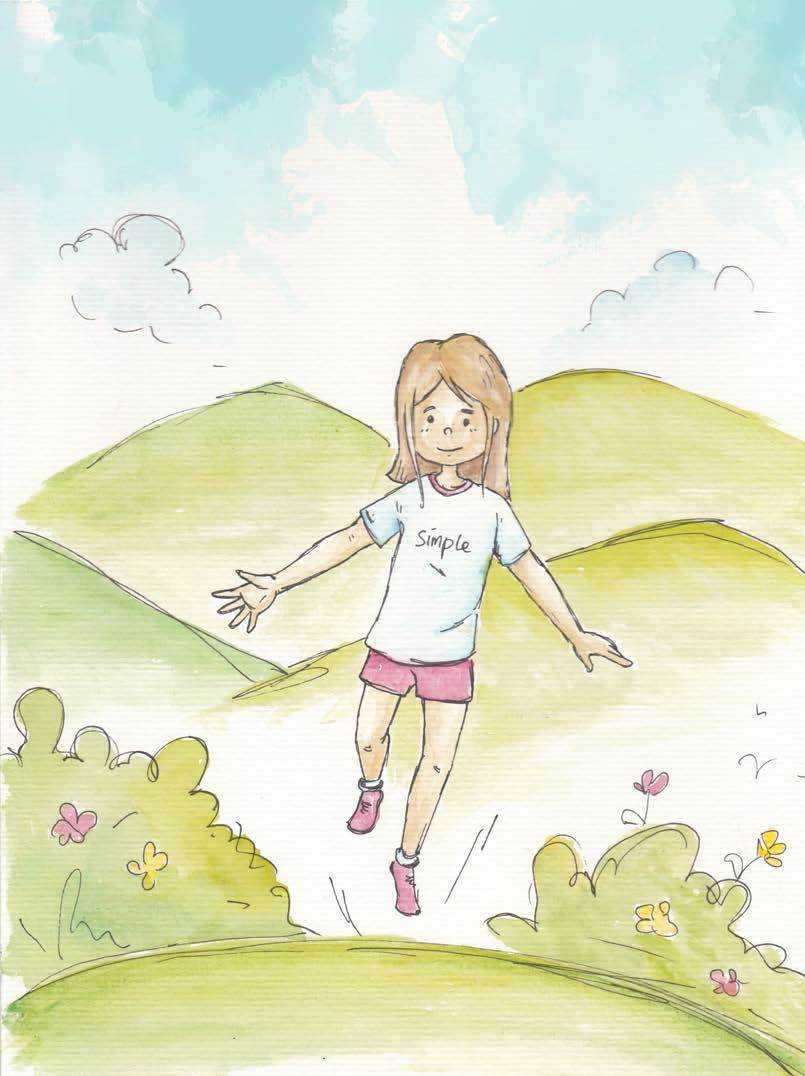
Simplicity
Ki Hajar Dewantara saw education as a garden for students and that "teaching" is liberating humans from external aspects of life such as poverty and ignorance. On the other hand, "education" liberates humans with regard to the inner aspects of life. Through education, people are educated to have the autonomy to think and make decisions, to have dignity and a democratic mentality. Education, he said, must also start from a shared perception of stakeholders about the concept of education itself. In a real sense, education is a process of humanising humans (humanisation), for example through the concept of "self-mastery". Ki Hajar believed that if every student is able to control her/himself, then they will also be able to determine their attitude as independent and mature individuals. Ki Hajar Dewantara introduced a philosophy of Asah, Asih and Asuh.
ASAH means sharpen, and sharpening the mind can be seen as similar ot "learning". Children, parents and teachers learn together to sharpen their knowledge and realise their potential to be better and to master anything they are interested in, especially practical life skills.
ASIH means love, care and patience and these are to be seen in interactions between children and teachers, adults around them and the environment and nature as a whole. No matter how much diversity there may be, everyone will feel like family members in the learning community and will learn how to appreciate anything they have while loving, caring for and respecting each other.
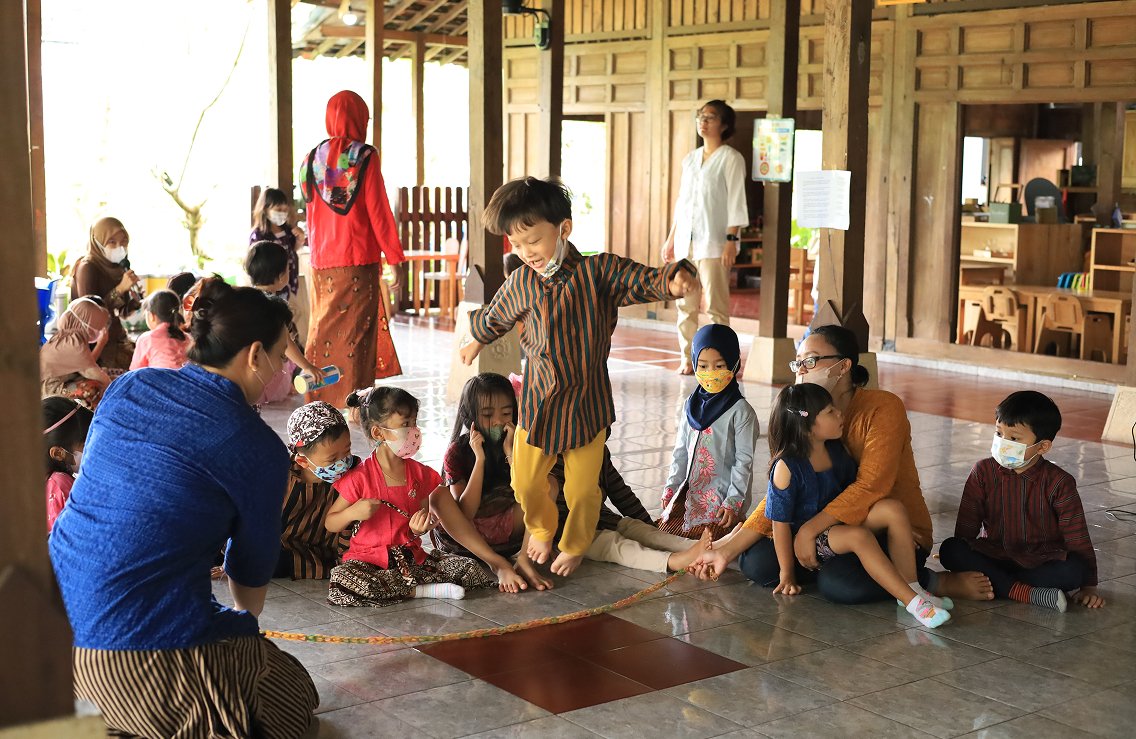
ASUH means taking care, protecting and ensuring safety and is about providing early childhood care that is rooted in mutual respect and the best of traditional culture and civilisation such that children absorb the philosophy of Pancasila as part of the community, helping each other and feeling at home.
 Youtube